Master Practical Self-Defense Moves for Safety - Self-Defense Basics
Feeling safe and confident in our daily lives is something we all want! That’s why mastering practical self-defense moves is so important. Whether you’re walking home at night, jogging in the park, or just going about your day, knowing how to protect yourself can make all the difference. Let’s dive into some essential self-defense basics that anyone can learn and use effectively!
Understanding Self-Defense Basics: The Foundation of Safety
Before we jump into specific moves, it’s crucial to understand what self-defense really means. Self-defense is about protecting yourself from harm using the simplest, most effective techniques. It’s not about fighting or aggression; it’s about safety and survival.
Here are some key points to keep in mind:
Stay aware of your surroundings at all times.
Use your voice loudly to deter attackers.
Keep your body language confident and assertive.
Target vulnerable areas like eyes, nose, throat, and groin.
Use your body weight and momentum to your advantage.
By focusing on these basics, we set ourselves up for success when it comes to defending against threats. Remember, the goal is to escape safely, not to engage in a prolonged fight.
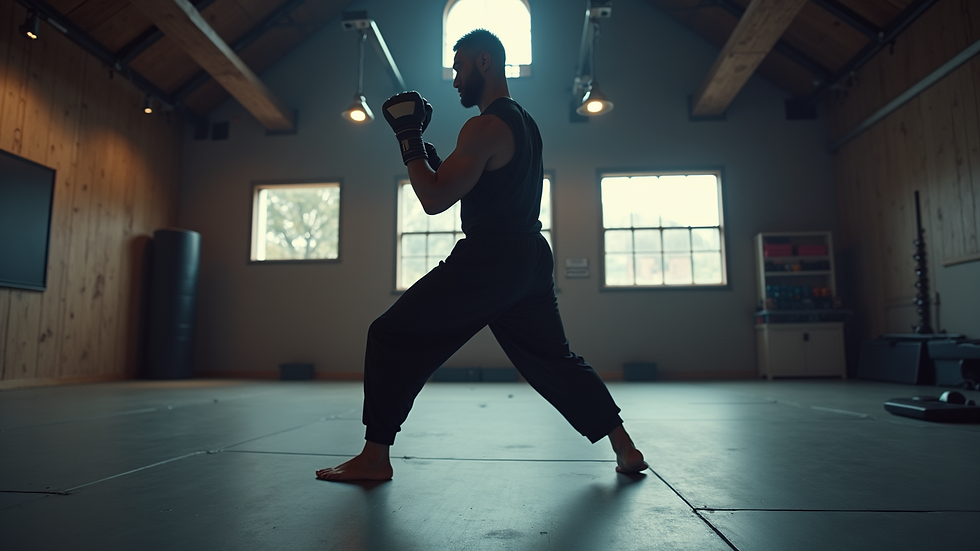
Essential Practical Self-Defense Moves Everyone Should Know
Now, let’s get into some practical moves that are easy to learn and highly effective! These techniques don’t require years of training but can give you the confidence to protect yourself in real situations.
1. The Palm Strike
This move uses the heel of your palm to strike an attacker’s nose or chin. It’s powerful and less likely to injure your hand compared to a punch.
Raise your hand with fingers slightly bent.
Aim for the attacker’s nose or chin.
Push forward with a strong, quick motion.
2. The Elbow Strike
Your elbow is one of the hardest parts of your body. Use it to strike an attacker’s head or ribs when they are close.
Bring your elbow sharply backward or sideways.
Target the attacker’s face, neck, or ribs.
Use your body weight to add power.
3. The Knee Strike
Great for close encounters, the knee strike targets the attacker’s groin or stomach.
Grab the attacker’s shoulders or clothes for balance.
Drive your knee upward into the groin or stomach.
Follow up by pushing away and escaping.
4. The Foot Stomp
If someone is behind you, a quick stomp on their foot can cause pain and give you a chance to run.
Lift your foot and stomp hard on the attacker’s foot.
Use your body weight to maximize impact.
Turn and run immediately after.
5. The Wrist Release
If someone grabs your wrist, here’s a simple way to break free.
Rotate your wrist toward the attacker’s thumb.
Pull your arm sharply back.
Step away quickly to create distance.
These moves are straightforward and can be practiced regularly to build muscle memory. If you want to learn self defense moves, consider joining a local martial arts class to get hands-on training and feedback!

What are the four A's of self-defense?
The four A’s of self-defense are a simple framework to remember when facing danger. They help us react quickly and effectively.
Awareness: Always be alert and aware of your surroundings. Avoid distractions like phones or headphones in unfamiliar places.
Avoidance: If possible, avoid dangerous situations or places. Trust your instincts and leave if something feels off.
Assertiveness: Use a strong voice and body language to show confidence. Shout “No!” or “Back off!” to deter attackers.
Action: If you can’t avoid the threat, take immediate action using self-defense moves to protect yourself and escape.
By practicing these four A’s, we increase our chances of staying safe and reducing the risk of harm.
Building Confidence Through Regular Practice
Confidence is key in self-defense. The more we practice, the more natural these moves become. Here are some tips to help you build confidence:
Practice regularly: Set aside time each week to drill basic moves.
Use a mirror: Watch your form and make adjustments.
Train with a partner: Simulate real scenarios safely.
Stay positive: Celebrate small improvements and progress.
Take classes: Join a martial arts or self-defense program to learn from experts.
Remember, self-defense is not just physical. It’s about mindset too. When we feel confident, we naturally project strength and reduce the likelihood of being targeted.
Incorporating Self-Defense into Your Fitness Routine
One of the best ways to stay motivated is to combine self-defense training with fitness goals. Martial arts and self-defense workouts improve strength, flexibility, and endurance while teaching valuable skills.
Here’s how to get started:
Warm up with light cardio and stretching.
Practice self-defense moves in sets (e.g., 10 palm strikes, 10 knee strikes).
Include strength exercises like push-ups and squats.
Cool down with stretching and breathing exercises.
This approach keeps training fun and functional. Plus, it helps you stay in shape while mastering practical skills!
Your Next Step: Join a Community That Supports Your Growth
Learning self-defense is a journey, and it’s even better when you’re part of a supportive community. At Ooze Brazilian Jiu-Jitsu in Haltom City, we welcome individuals of all ages and skill levels. Our classes focus on combining fitness with effective self-defense techniques in a friendly, encouraging environment.
Whether you’re a beginner or looking to sharpen your skills, you’ll find a place to grow and thrive. So why wait? Take that first step toward safety and confidence today!
Ready to empower yourself with practical self-defense moves? Let’s get moving and make safety a priority in our lives!


Comments